
New here? See how we test every claim →
No One Accepts Bitcoin
Who accepts Bitcoin? Fewer people than believers claim, and more than skeptics admit. About 365 million own it, thousands of businesses take it directly, and in countries where local money is failing it pays for groceries and holds savings. Most shops near you still do not take it. That is true, and it is a smaller claim than the myth makes.
Plenty of people do. About 365 million own Bitcoin, more than 23,000 mapped merchants take it over the counter, and Square has added it to the checkouts of roughly four million US businesses. It is used most in places where local money is failing, such as Nigeria, Argentina, and Malawi. What is true is that most shops in wealthy countries still do not take it, and most holders treat it as savings rather than spending money.
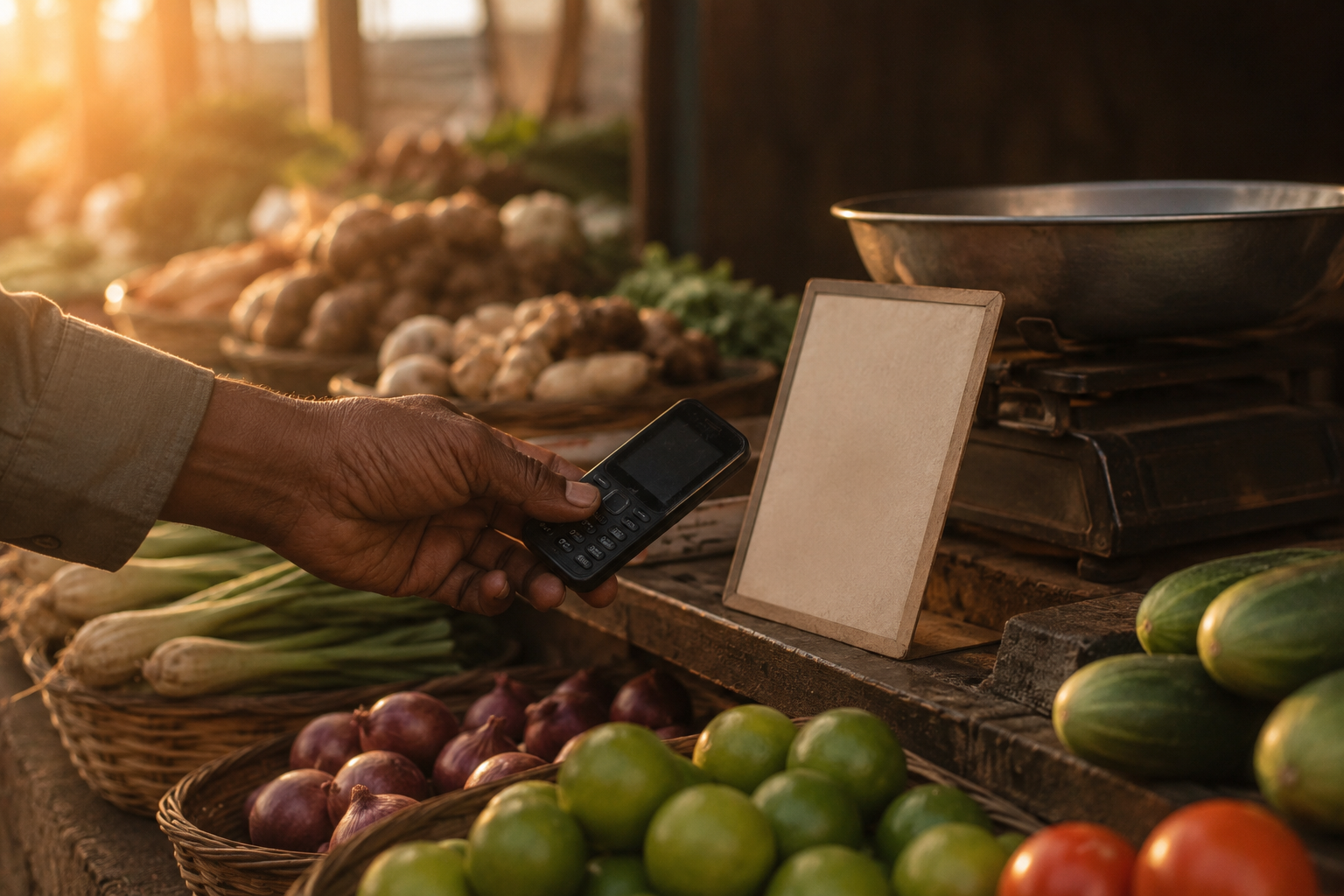
Count Again: Who Accepts Bitcoin Today
Roughly 365 million people own Bitcoin, a population larger than the United States. Owning is not the same as accepting it as payment, and most owners hold it as savings. It does show that the pool of people with Bitcoin is not small. Source: Triple-A ownership data
On the merchant side, the open BTC Map directory lists more than 23,000 physical businesses taking Bitcoin over the counter. That is up about 60 percent in the past year, and it only counts shops that volunteers have found and verified.
PayPal and Cash App let hundreds of millions of users buy, hold, and send Bitcoin. Square’s 2025 integration added Bitcoin payment support to the checkouts of roughly four million US merchants, so a coffee shop can accept it through the same terminal it uses for cards. Gift-card services such as Bitrefill make it spendable at chains like Amazon and Starbucks.
Most retail commerce still does not run on Bitcoin, and most stores in wealthy countries see little demand for it. In much of the world, walking into a random shop and paying in Bitcoin is still hard. That is true. It is also a smaller claim than “no one accepts Bitcoin.”
Where Bitcoin Gets Used
Use is not evenly spread. Chainalysis’s global adoption index is led year after year by emerging markets, not rich ones. In Nigeria and Argentina, where local currencies lose value by the month, a large share of the population uses Bitcoin and other digital assets for savings and commerce. Alex Gladstein of the Human Rights Foundation describes market traders in Malawi doing business and saving in Bitcoin after watching the kwacha lose nearly half its value overnight.
The same holds where banking itself is the obstacle. Gladstein documents roughly 20,000 families in Gaza receiving aid over Bitcoin when conventional rails could not function, and teachers in Afghanistan paid in Bitcoin who spent it through local money markets. Alexei Navalny’s organization kept operating on Bitcoin donations for years after its bank accounts were frozen, because no authority could switch the network off. In the United States, legally operating but debankedCut off from banking services, when banks refuse to serve a person or business, often over politics or perceived risk. industries turned to Bitcoin for the same reason. For these users it is a tool, not a lifestyle statement. Source: Human Rights Foundation, Bitcoin Development Fund
Where Can You Spend Bitcoin Today
The usual technical objection is that Bitcoin’s base layer processes only a handful of transactions per second, far too few for the world’s checkouts. That is correct, and it is not the layer where small payments happen. As Myth #18: Is Bitcoin Too Complicated? lays out, the base chain is a settlement layer built for large, final transactions, while everyday payments run on layers built on top of it.
The Lightning NetworkA payment layer built on top of Bitcoin that settles small transactions almost instantly and at very low cost. handles the small payments. They settle in seconds and cost a fraction of a cent, which is small enough for a coffee or a digital tip. El Salvador ran national remittancesMoney that people working abroad send home to family, often through slow and expensive transfer services. and street-stall purchases over it. Square’s integration matters for a different reason. Bitcoin support arrives in the same terminal that takes cards. The rails for everyday payments exist and keep expanding. Whether people use them is a separate question.
Why Most People Save It Instead of Spending It
One useful way to think about monetary adoption is as a progression. In a framework Vijay Boyapati describes in The Bullish Case for Bitcoin, a new money tends to be held as a collectible first, then as a store of value, then used for everyday purchases, and only later used to price things. Gold took centuries to move through it. It is a model, not a law, but it fits what Bitcoin owners do today. Most of them hold it. Spending comes later, if it comes.
Two ordinary reasons slow everyday spending. First, holders of an appreciating asset prefer not to spend it. Every Bitcoiner knows the story of the two pizzas bought in 2010 for bitcoin later worth hundreds of millions of dollars, and research on long-term holding points the same way. Source: River research Second, daily spending wants price stability, and Bitcoin’s volatility has declined with every market cycle. Whether that continues is not guaranteed.
About 365 million people own Bitcoin. Most of them hold it rather than spend it.All Roads Lead to Bitcoin
El Salvador is the clearest test case. In 2021 it became the first country to make Bitcoin legal tenderMoney a government recognizes by law for settling debts and taxes, which businesses may be required to accept., and it ran remittances and everyday purchases over Lightning at national scale. In January 2025, under the terms of an IMF financing agreement, the law was amended. Business acceptance became voluntary and taxes returned to dollars, while the state kept accumulating Bitcoin reserves. The mandate ended, but the experiment continued. Sources: IMF Country Report 25/58 · Cointelegraph on the 2025 amendment
Where This Leaves the Claim
Most stores still do not accept Bitcoin. That is true.
But “no one accepts Bitcoin” is a different claim. Hundreds of millions of people hold it. More than 23,000 mapped merchants take it directly. Payment systems are increasingly built to handle it without the merchant thinking much about Bitcoin at all.
And where local money stops working, Bitcoin tends to become more useful, not less.
The interesting question is what happens as that changes.
This article is part of the Bitcoin Myths series. To explore the full Bitcoin Myths series, start with the hub page where 20 common myths are mapped and linked.
Prefer to watch?
This myth is also a short video. It replaces one street with the count, maps where acceptance pools hardest and where it thins out, and puts the stages of monetary adoption in order. Whether it becomes the everyday money where you live is the question left standing.
Go Deeper
The foundational account of how monies are adopted in stages, from collectible to store of value to medium of exchange. The framework this article’s timeline argument rests on.
Why billions of people live under failing money and broken payment rails, and why adoption concentrates exactly where this article’s map says it does.
A contemporary tour of Bitcoin’s infrastructure and adoption, from nodes and miners to the institutions and states now building on the network.
Want the shorter version? The Did You Know post covers this one in brief, and the infographic version puts the two maps side by side in one shareable one-pager.
Frequently Asked Questions
Who accepts Bitcoin?
More of the world than the myth suggests. About 365 million people own Bitcoin. More than 23,000 mapped merchants accept it over the counter, Square has added Bitcoin payments to the checkouts of roughly four million US businesses, and PayPal and Cash App support it inside apps used by hundreds of millions. Gift-card services make it spendable at chains like Amazon and Starbucks. Use is heaviest in economies with failing currencies, such as Nigeria and Argentina, where it serves everyday savings and commerce.
Can you actually buy things with Bitcoin?
Yes. You can pay merchants directly where it is accepted, spend it at major chains through gift-card services, and make small everyday purchases over the Lightning Network, which settles in seconds for a fraction of a cent. In countries like El Salvador it has been used for everything from market stalls to national remittances. Whether you want to spend an asset most holders prefer to save is a separate question.
Why do more stores not accept Bitcoin?
Most people who own Bitcoin treat it as savings, and most stores see little demand for it. One way to read that is as a stage. A new money tends to be held before it is spent on everyday purchases, and daily spending usually waits for a steadier price. Volatility has declined with each market cycle, though that is no guarantee, and payment tools like Lightning and Square already exist. The number of mapped merchants grew about 60 percent in the last year.

In 2025, Square added Bitcoin payment support to the checkouts of roughly four million US merchants. It runs inside the same terminal that takes credit cards.
Source: Block, Bitcoin payments on Square (official announcement)From the book
This myth is one chapter of Reasonable Doubt.
All twenty myths from this series, revised and rechecked, in one book you can read start to finish or hand to the skeptic in your life. Same standard as the site: the strongest version of each objection, the evidence, and a verdict that goes no further than the evidence does.
Paperback · $9.99 Kindle · $4.99 or free with Kindle Unlimited Listen on Spotify
New to Bitcoin? Start with the free guide, You Just Came Into Money. Now What?
Bitcoin Myths, Examined One by One
This article is part of the Bitcoin Myths series at allroadsbitcoin.com. Twenty claims about Bitcoin, each examined against the data. No price predictions. No hype. Just evidence.
Explore the Full SeriesMore from the Bitcoin Myths Series
- All 20 Myths
- Myth #1 · Energy
- Myth #2 · Volatility
- Myth #3 · Crime
- Myth #4 · Bubble
- Myth #5 · Gov Ban
- Myth #6 · Divisibility
- Myth #7 · Physical Form
- Myth #8 · Altcoins
- Myth #9 · Real Estate
- Myth #10 · Wallets
- Myth #11 · Exchanges
- Myth #12 · Reset
- Myth #13 · Gold
- Myth #14 · Intrinsic Value
- Myth #15 · Greater Fool
- Myth #16 · Miners
- Myth #17 · Ponzi
- Myth #18 · Complexity
- Myth #19 · Acceptance
- Myth #20 · Unit of Account
Everything on this site is for educational purposes only. It is not financial, investment, tax, or legal advice. Bitcoin carries real risk. Prices move. Do your own research, think for yourself, and speak with a qualified professional before acting on anything you read here.